 The Care Compass®
Our story
When life changes in an instant
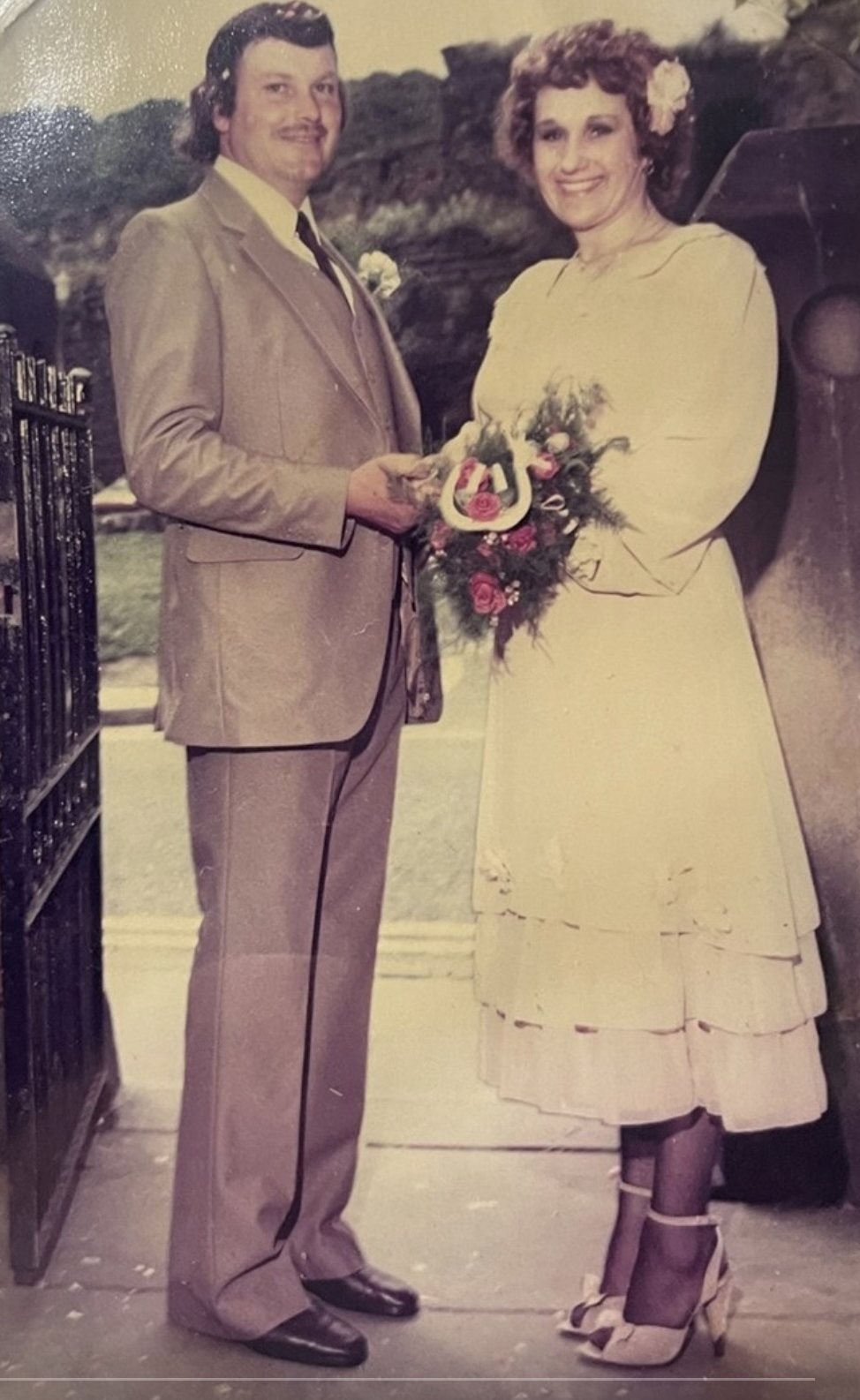
In October 2023, our world as a family was turned upside down.
My dad was diagnosed with oesophageal cancer, stage 3. He was also the sole carer for my mum, who had been living with vascular dementia since 2020, and whose condition was becoming more advanced.
In the space of weeks, everything changed. Dad lost six stone. He could no longer care for Mum. I moved back to Wales to support them both, working from my parents’ home while trying to hold everything together.
The moment I realised how alone families are
As Dad began his chemotherapy and radiotherapy, it became clear that Mum needed full-time nursing care. We had to find her a home. Quickly, under enormous pressure, while watching my dad fight for his life.
I remember standing there thinking: where do I even start?
All I had been given was a leaflet.
What followed was months of phone calls to different boards and bodies, forms with no guidance, terminology I’d never heard, and no clear answers about funding or eligibility. All while managing the most emotionally painful period of my life.
Then, in August 2024, everything tipped again. My wife Jo was told, after her first mammogram, that she had DCIS, an early stage of breast cancer. She would need a mastectomy.
For a period of months, I was trying to be there fully for three people I love most, all at the same time. Caring for Dad. Showing up for Jo. Making sure Mum was seen and safe. All while still leading a team at work and being present for our son.
Dad lost his battle with cancer on 20th October, at 11pm. I travelled back from Wales the next morning to be with Jo for her operation at 7.30am. There wasn’t space to stop and grieve. We planned his funeral. We found Mum a nursing home. We navigated LPAs, Wills, end of life planning and bereavement admin. Bit by bit, largely alone.
Mum passed away in July 2026, in the nursing home that had become her final home. I was able to be there in her last days, and to say a proper goodbye, something I’ll always be grateful for.
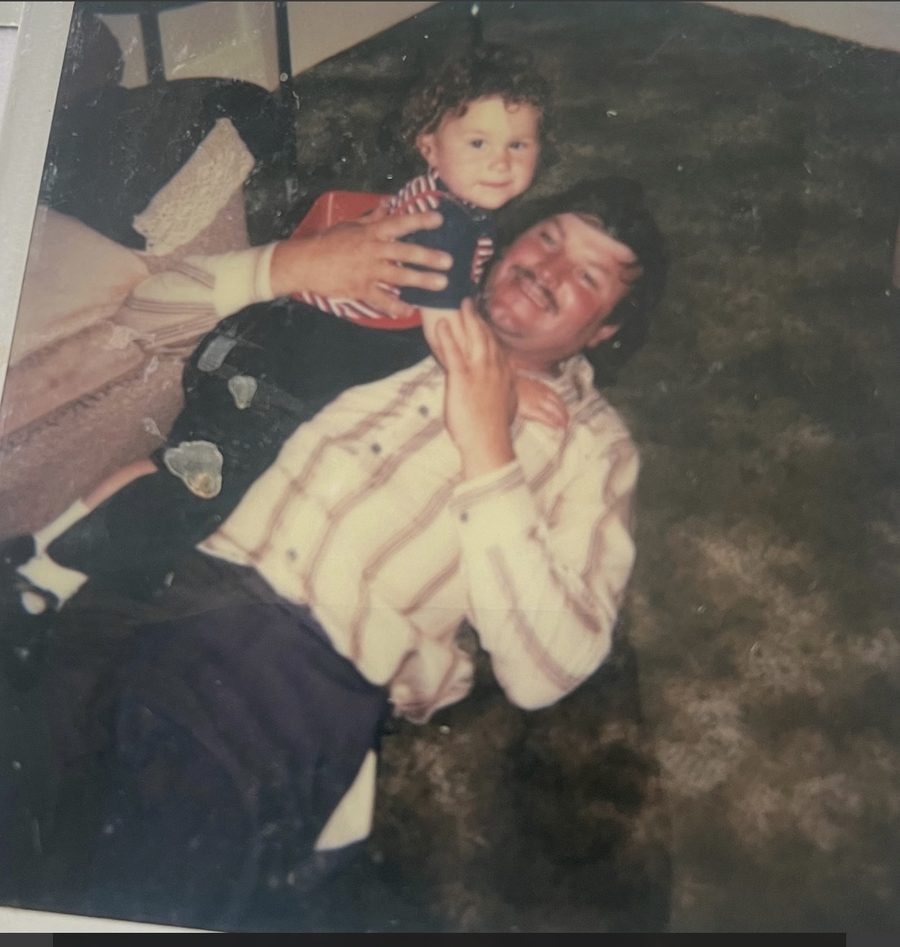
Why The Care Compass exists
Throughout everything, one thought kept coming back to me: this information should all be in one place.
No family should have to piece it together alone, in the middle of a crisis, while also carrying the emotional weight of watching someone they love go through this.
If this platform helps one family navigate this journey a little more clearly, that’s enough. That’s everything.
The Care Compass was built for the person I was in October 2023. Lost, overwhelmed, and desperately wishing someone had left a light on.
This site is built from one family's lived experience, not from professional training or lived experience of every community or circumstance. I know there'll be situations, cultures and family structures it doesn't yet speak to as well as it should. If that's you, I'd genuinely like to hear from you — this site keeps growing because people tell me what's missing. You can reach me through the contact page.
One more thing worth saying plainly. You'll find some of the same facts here as on the NHS website, Alzheimer's Society, or Dementia UK — that's deliberate, they're the trusted sources everything here is checked against. What's different is how it's said. Every guide starts from what it actually feels like to sit in that appointment, or stare at that form, before it tells you what to do next. That's not an accident. It's the only way I know how to write it, because it's the version I needed and never got.

— Steven Evans, Founder, The Care Compass
We complement care, we don't replace it
Our guidance is designed to sit alongside the advice of GPs, social workers, care teams and hospices, never to replace it. We believe informed families ask clearer questions and make calmer decisions, which eases pressure on services we know are already stretched. If you're a health or social care professional reading this: we'd love to hear from you.